Compact hardware for field integration.
A 90 × 30 × 10 mm enclosure with Micro-USB power and over-the-air configuration, designed for remote asset deployments.
90 × 30 × 10 mmMicro-USB poweredOTA configurationSatellite-ready IoT
GorillaLink combines compact field hardware with live location access and device-level visibility—so remote assets become part of an operational workflow, not another disconnected device.
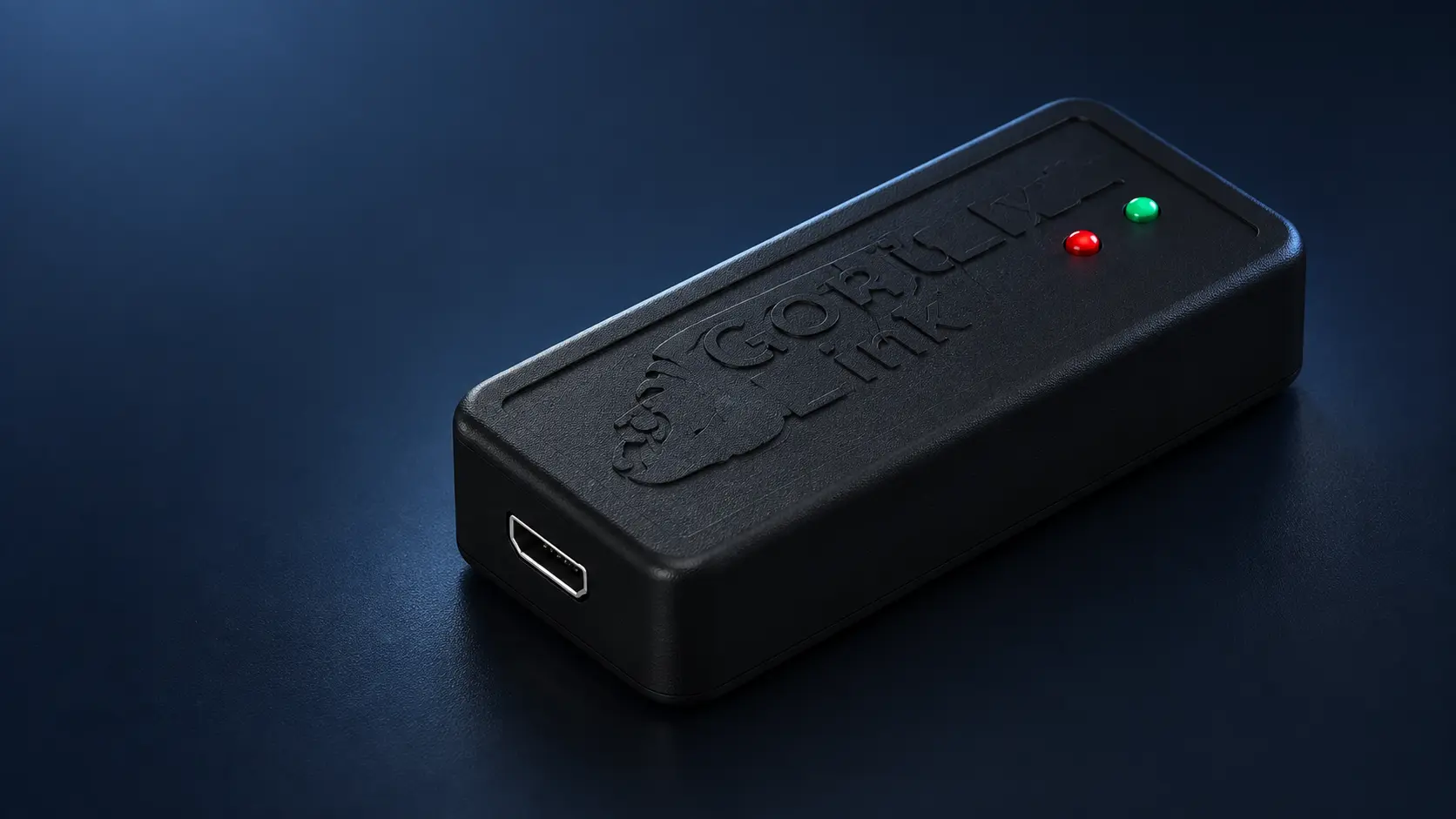
GorillaLink combines location tracking with device, activation and data-usage management—giving customers a clear operational view of their remote fleet.
A 90 × 30 × 10 mm enclosure with Micro-USB power and over-the-air configuration, designed for remote asset deployments.
Open the GorillaLink map workspace to view the location layer used by field teams.
Open Live Map ↗Review device activation, status and monthly data consumption from a separate customer workspace.
Open Device Portal ↗Each deployment begins with the asset, its operating area and the decision the reported data needs to support.
Use the pilot to determine which asset data is required, how often it must be reported and what operational decision it should support.
Define the vessel or equipment, operating area and reporting cadence before the pilot begins.
The product sheet lists industrial IoT as a target use case. Interfaces, message format and production requirements are confirmed during technical discovery.
Procurement, security, certification and operating requirements are defined for each deployment.
Every deployment is different. Define success before installation and leave the pilot with evidence for the rollout decision.
Scope a pilot ↗Measure whether the required field message arrives under real operating conditions.
Track installation time, configuration steps and ongoing field workload.
Confirm the destination and format the customer's operational workflow requires.
Compare the evaluated connectivity cost with the operational problem being addressed.
Start with a bounded evaluation, move to a fleet quote only after technical fit is demonstrated, and align ongoing service with the real data profile.
One defined use case, a limited asset group, an agreed evaluation period and measurable acceptance criteria.
Priced to scopeHardware quantity, onboarding, configuration and rollout support are quoted for the approved fleet.
Volume quotationConnectivity, portal access and support are aligned with device count and the expected monthly data profile.
Recurring serviceA consistent report makes the move from evaluation to rollout easier to approve.
Final pricing, service levels and commercial terms are confirmed in writing after technical discovery.
A focused path from a remote asset problem to a deployment decision—without hiding the questions that still need field validation.
Hardware, live location access and device-level usage are presented as parts of the same customer workflow.
Agree the asset, region, reporting need and success criteria before equipment goes into the field.
Use field evidence to assess technical fit, operating effort and value per asset before a wider rollout.
Published product facts are separated from production requirements that must be approved for each project.
The first technical discussion is designed to answer the questions that determine whether a field pilot is worth running.
The Edge Dongle is positioned as a satellite-ready IoT board in a 90 × 30 × 10 mm enclosure, with Micro-USB power and OTA configuration.
The asset type, operating area, required message, reporting cadence, installation constraints and approximate fleet size.
Interfaces, environmental requirements, coverage fit, certifications, security expectations, availability, pricing and production service levels.
The engagement starts with a scoped pilot. Fleet pricing then reflects hardware quantity, onboarding needs, device count and the expected data profile.
A documented result covering message delivery, installation effort, required output and the business value per connected asset.
Tell us what needs to report, where it operates and what decision the data should support. We will use that brief to frame a focused technical discussion.